Articles

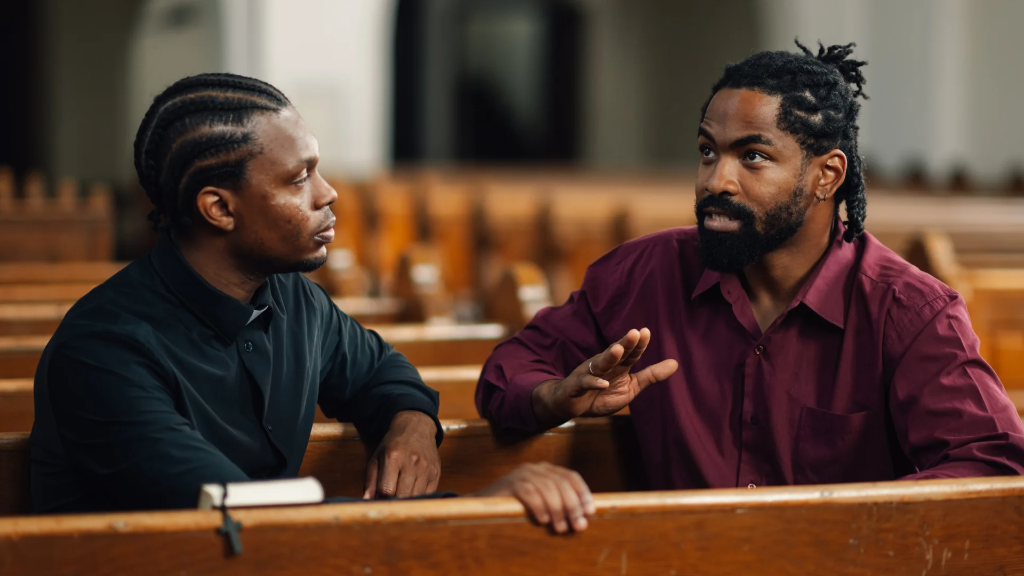
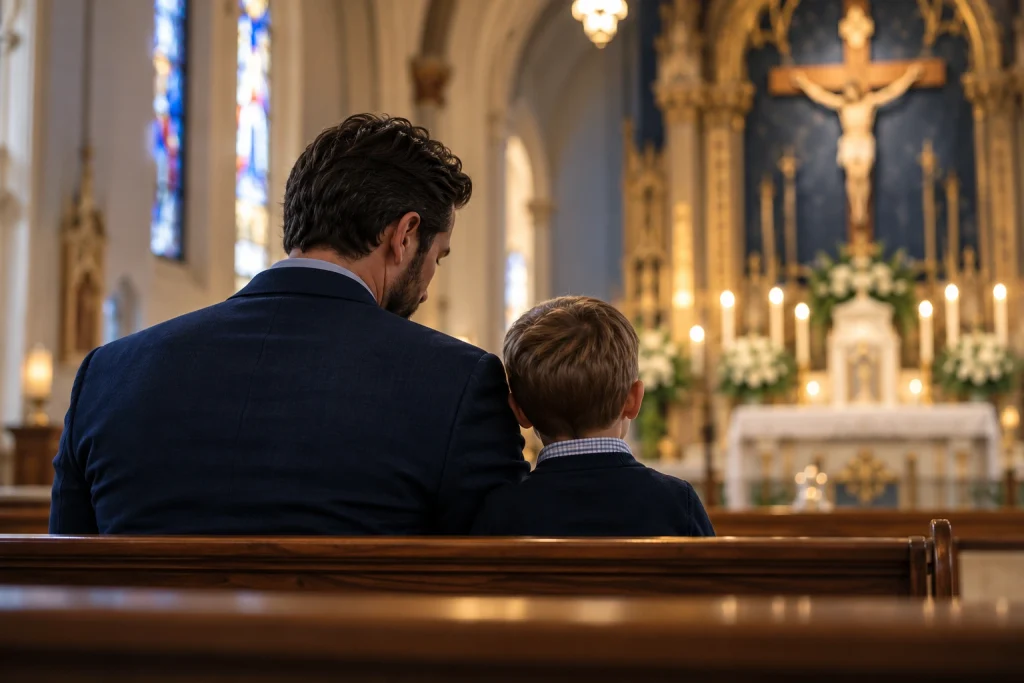
Two men discussion on church

Articles & Commentary

The Articles section presents accessible discussion of important questions involving marriage, children, religion, and family law.

Articles may address:

  • developments in Texas family law;
  • significant court decisions;
  • proposed legislation;
  • constitutional questions;
  • Catholic teaching on marriage;
  • parental rights;
  • child development;
  • family policy; and
  • commentary concerning reform.

Articles are intended to make complex issues understandable without sacrificing accuracy.

Our Resources

Expert Guidance & Family Stories

An introduction to the relationship among civil marriage law, parental rights and duties, children’s family interests, and the constitutional protection of religious exercise—without implying that TCMP provides legal services.
An educational article addressing how Catholic families should respond to grave marital difficulty through truthful assessment, fidelity, accountability, reconciliation where possible, protection from genuine harm, pastoral support, and careful attention to children.

An examination of marriage as the foundation of Catholic family life, the duties of spouses and parents, the religious formation of children, and the institutional support needed to preserve families through hardship.
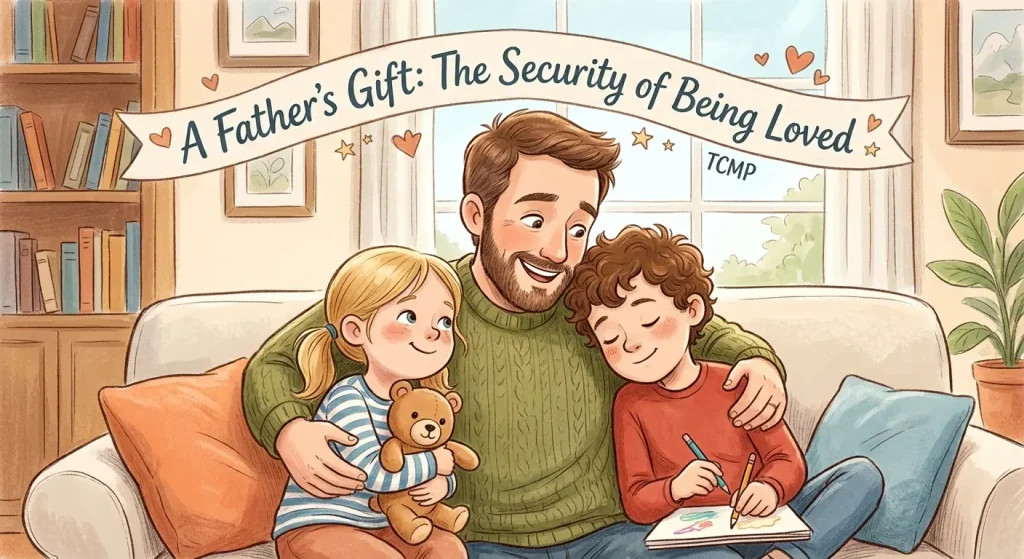
A little girl reaches for her father’s hand. For him, it may be an ordinary moment: crossing a parking lot, walking into church, finding their way through a crowd. For her, that familiar hand offers a quiet assurance: Daddy is here. I am safe with him.
Catholic spouses promise fidelity for life. Canon 1056 explains two essential properties underlying that promise: unity and indissolubility.
The good of the spouses is a purpose of marriage identified in Canon 1055.
Children need adults who accept responsibility for their care and formation.
Catholic teaching joins a serious commitment to marital common life with recognition that spouses may legitimately live apart in qualifying circumstances.
A person can undergo civil divorce without choosing or causing the rupture.
An order about a child’s residence, schedule, schooling, or parental decision-making can affect the practical conditions of religious formation.
TCMP submits that it should. Children’s existing security is relevant to identifying the lawful purposes a particular marriage serves and assessing the claimed destruction of those purposes.
A guide to intake, attorney duties, client authority, and defining representation through identification of the rights and interests at stake.
An exclusive allocation directly excludes the other parent from independently exercising that decision-making power. Information access and permission to seek later relief do not restore it.
Procedures that prevent meaningful identification and testing of the case can present a separate procedural-due-process problem.
These eighteen talking points accompany Children Need Parents Who Can Protect Them. Read them alongside the article for its supporting discussion and sources. The focus is children’s security and parents’ practical ability to obtain lawful protection.
A child’s security depends in part on having responsible adults close enough to notice when something is wrong and able to obtain help.
When a court makes a decision affecting a family, meaningful review can depend on the work performed during trial.
Competent trial representation includes protecting review of material issues through the procedure each issue requires.
A man and a woman freely give and accept one another through marital consent.
Catholic wedding promises begin a lifelong vocation. Canon 1055 explains the relationship spouses establish, the purposes it serves, and its sacramental character.
Marriage has traditionally been understood as more than a private arrangement between two adults. It establishes a family, creates enduring responsibilities, and provides a foundation upon which children depend for stability, security, and the continuing care of their parents.
A divorce decree may allow each parent to direct a child’s moral and religious training during that parent’s periods of possession.
error: