Understanding Moral Responsibility and Continuing Fidelity
Pillar Two — Catholic Marriage & Religious Obligation
A person can undergo civil divorce without choosing or causing the rupture. Catholic teaching expressly recognizes this distinction. Explaining it carefully protects the seriousness of marriage while avoiding an unjust assumption that everyone involved in a divorce bears equal moral responsibility.
The Church makes an express distinction
Catechism §2386 recognizes an innocent spouse subjected to civil divorce and distinguishes that person from a spouse whose grave wrongdoing destroys a canonically valid marriage.[1]
The distinction concerns responsibility, not simply the name of a proceeding. A decree establishes civil consequences; its existence alone does not reveal the full moral history of the marriage. TCMP’s educational application is that readers should avoid assigning blame merely from the label divorced.
Procedural labels do not answer the moral question
Petitioner and respondent describe roles in litigation. They are not complete judgments about conduct. The Catechism’s recognition of tolerated recourse to civil divorce also shows why filing alone cannot determine moral responsibility.[1]
A person may seek protection after serious harm; another may oppose dissolution while remaining faithful to the marriage. The circumstances and conduct require attention. This article does not presume innocence or guilt from the procedural position of either spouse.
Fidelity can continue through abandonment
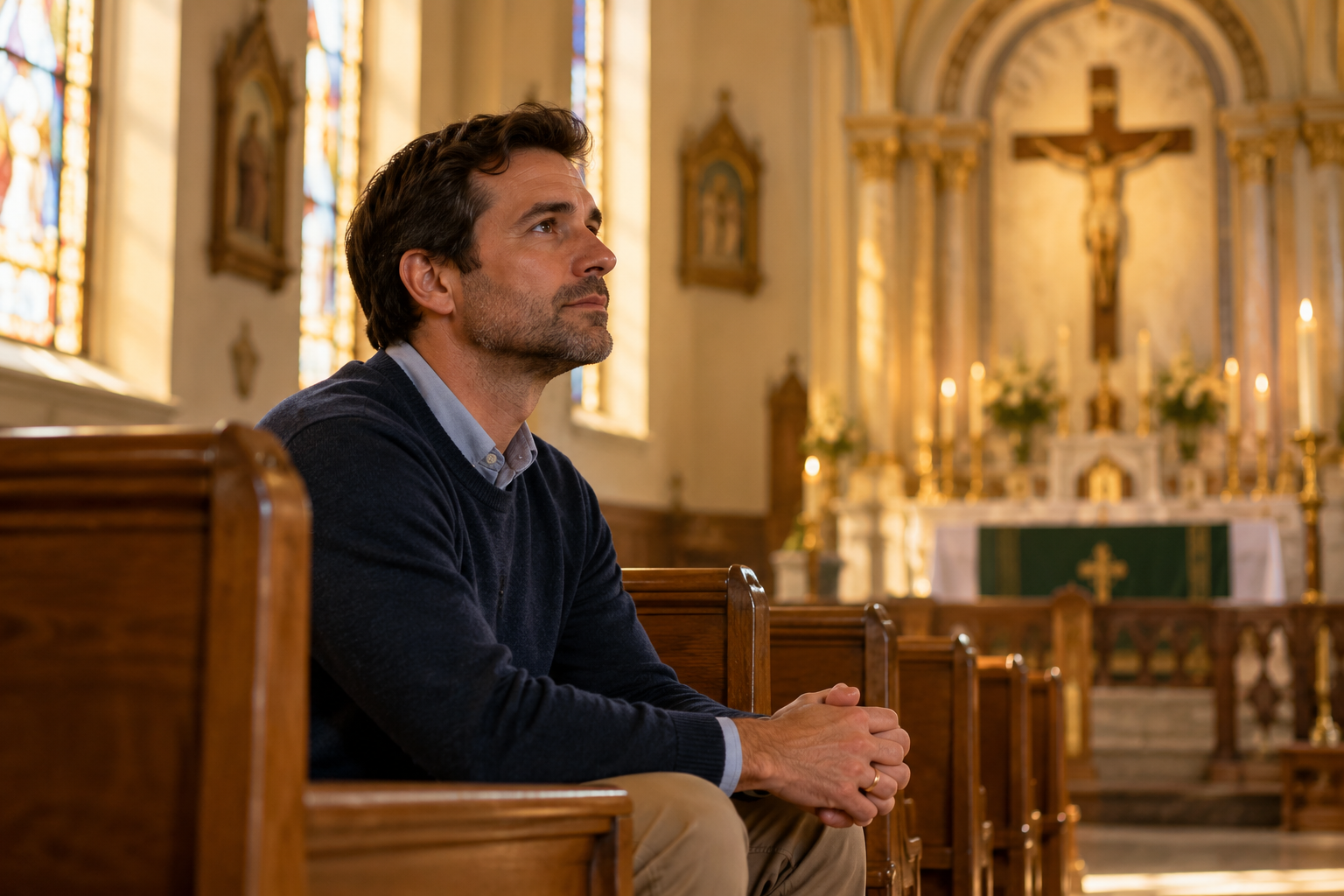
Familiaris Consortio discusses the situation of separated and divorced persons who remain faithful and the Church’s responsibility to support them.[2]
For TCMP, this calls for practical respect. A spouse’s continuing commitment should be heard accurately rather than dismissed as an inability to accept another adult’s preference. Respect does not require outsiders to decide every disputed fact. It requires giving the person’s reasons a fair hearing.
Continuing responsibilities deserve support
A separated spouse may face financial strain, disrupted family routines, loneliness, and difficulty maintaining involvement with children. These are matters for concrete assistance and careful attention to the facts.
Family and parish support can include companionship, meals, transport, and help locating competent professional assistance. Such examples illustrate ways to serve a person; they do not replace legal representation, canonical advice, or appropriate treatment.
Children should not carry the adult dispute
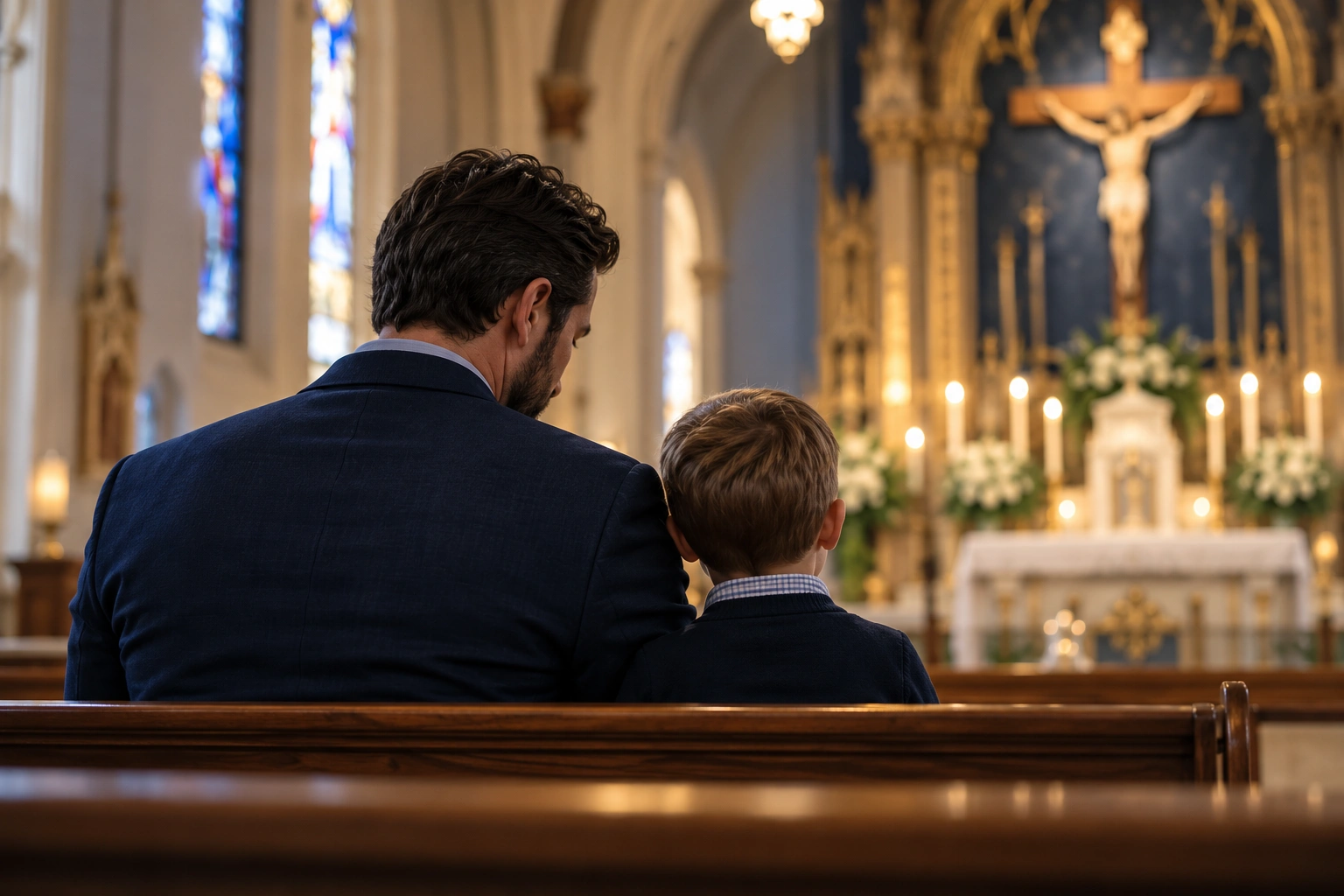
Parents have responsibilities for children’s education and formation that continue to matter during family difficulty.[3] An educational application is that children should receive dependable care and age-appropriate explanations.
Adults should avoid using children to deliver accusations, gather information, or secure emotional allegiance. Acknowledging real wrongdoing does not require assigning the child the role of judge. Particular safety concerns must be addressed responsibly.
Moral recognition and civil remedies differ
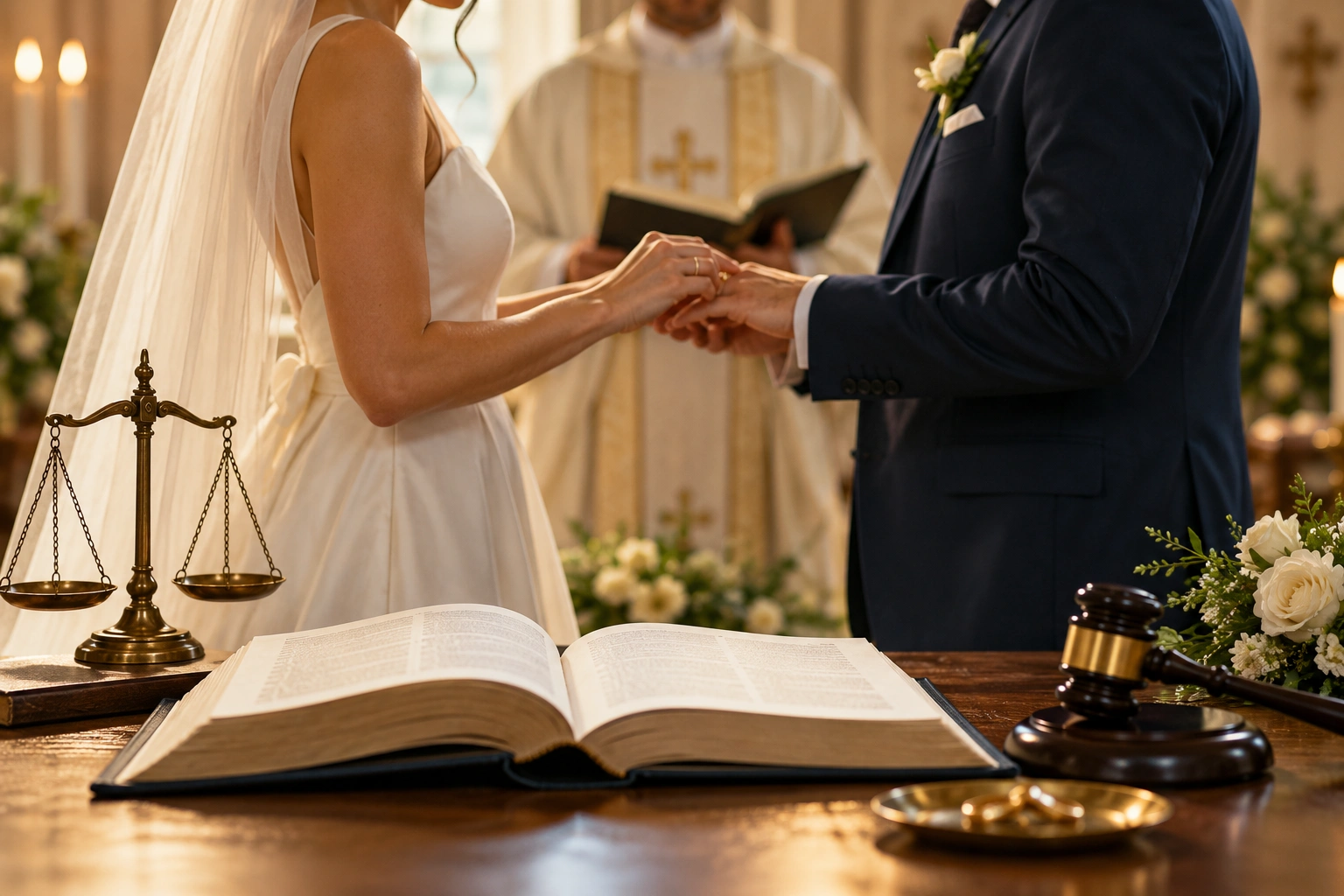
The Church’s recognition of an innocent spouse does not by itself establish a particular result in a Texas proceeding. A claim about civil status, parental authority, support, or property requires its own legal foundation.
TCMP’s research can connect the questions without collapsing them: what duties remain, what conduct is alleged, what civil order is sought, and what evidence and law support that order? The moral distinction deserves explanation even where the civil system uses different categories.
The contribution to Pillar Two
An accurate account of Catholic teaching preserves the distinction between wrongdoing, legitimate protection, and being subjected to a divorce one did not choose.
Pillar One examines available civil protections. Pillar Three examines children’s care and family relationships. Pillar Two explains why continuing fidelity and the circumstances of marital rupture deserve serious moral attention.