Uncategorized
A Father’s Religious Responsibilities Do Not End at the Visitation Schedule
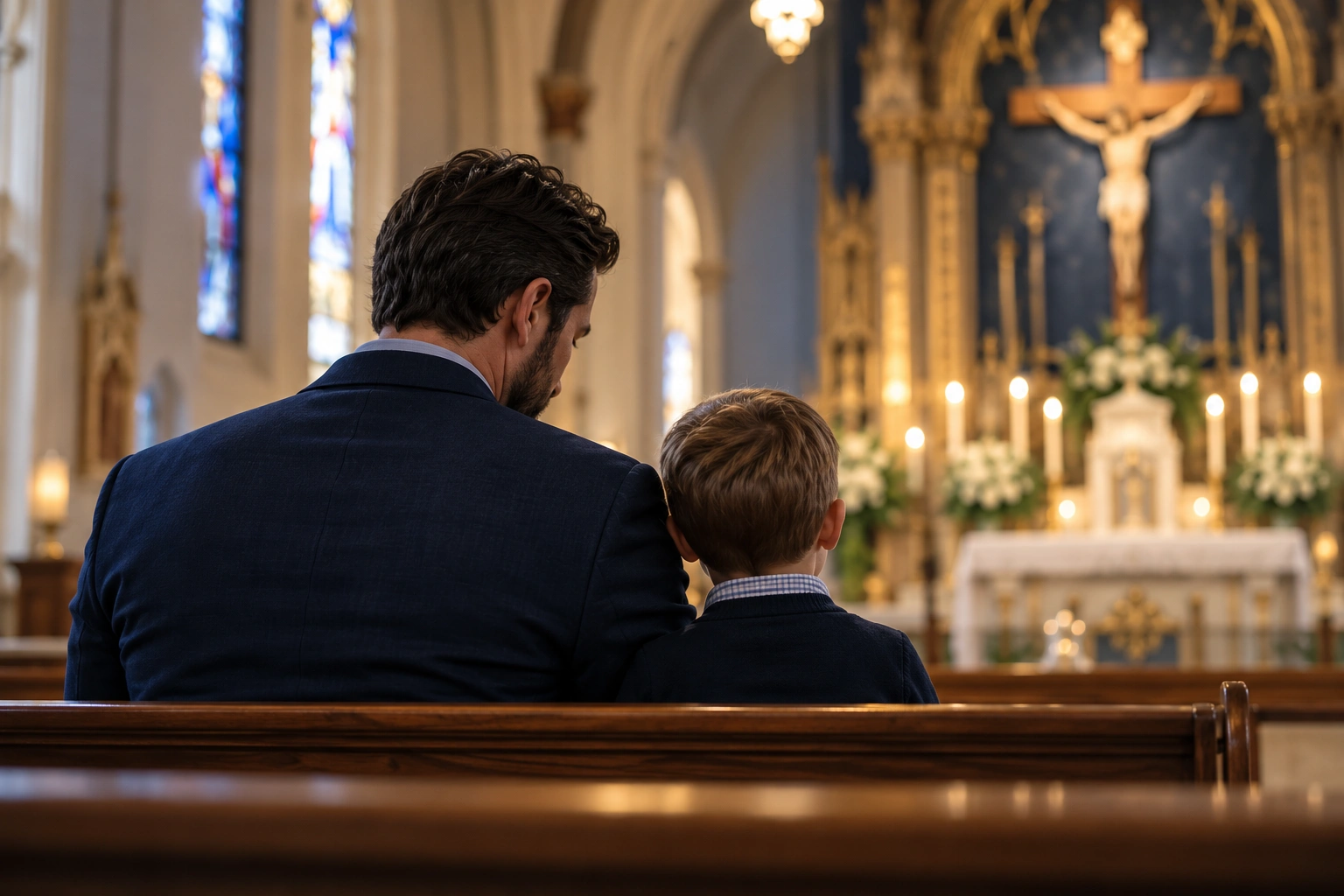
A divorce decree may allow each parent to direct a child’s moral and religious training during that parent’s periods of possession. But does the order

A divorce decree may allow each parent to direct a child’s moral and religious training during that parent’s periods of possession. But does the order
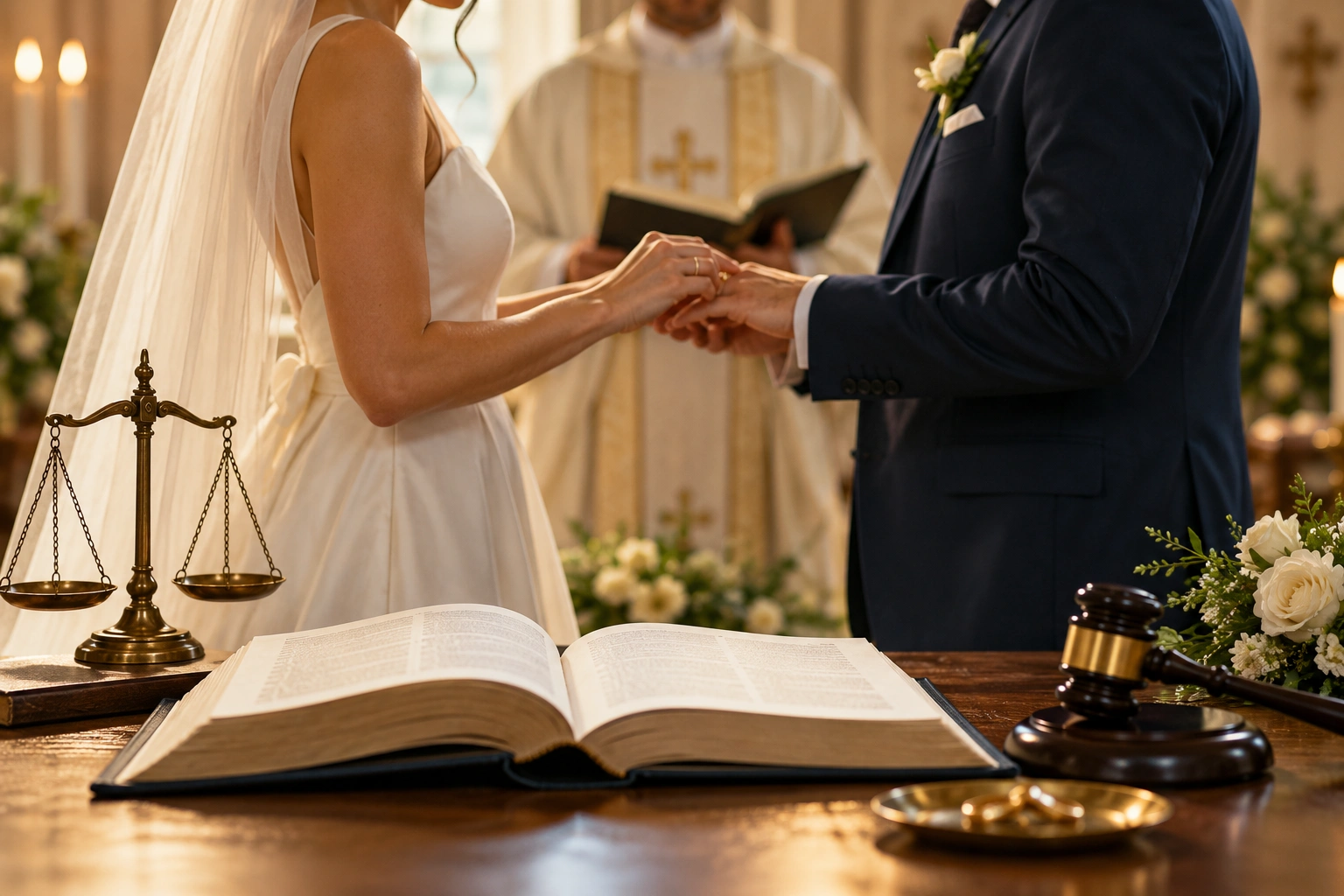
What Does the Law Owe the Spouse Who Keeps the Vow—and the Children Who Depend on Both Parents? When Marriage Becomes a Promise One Person

Catholic wedding promises begin a lifelong vocation. Canon 1055 explains the relationship spouses establish, the purposes it serves, and its sacramental character. Its two paragraphs
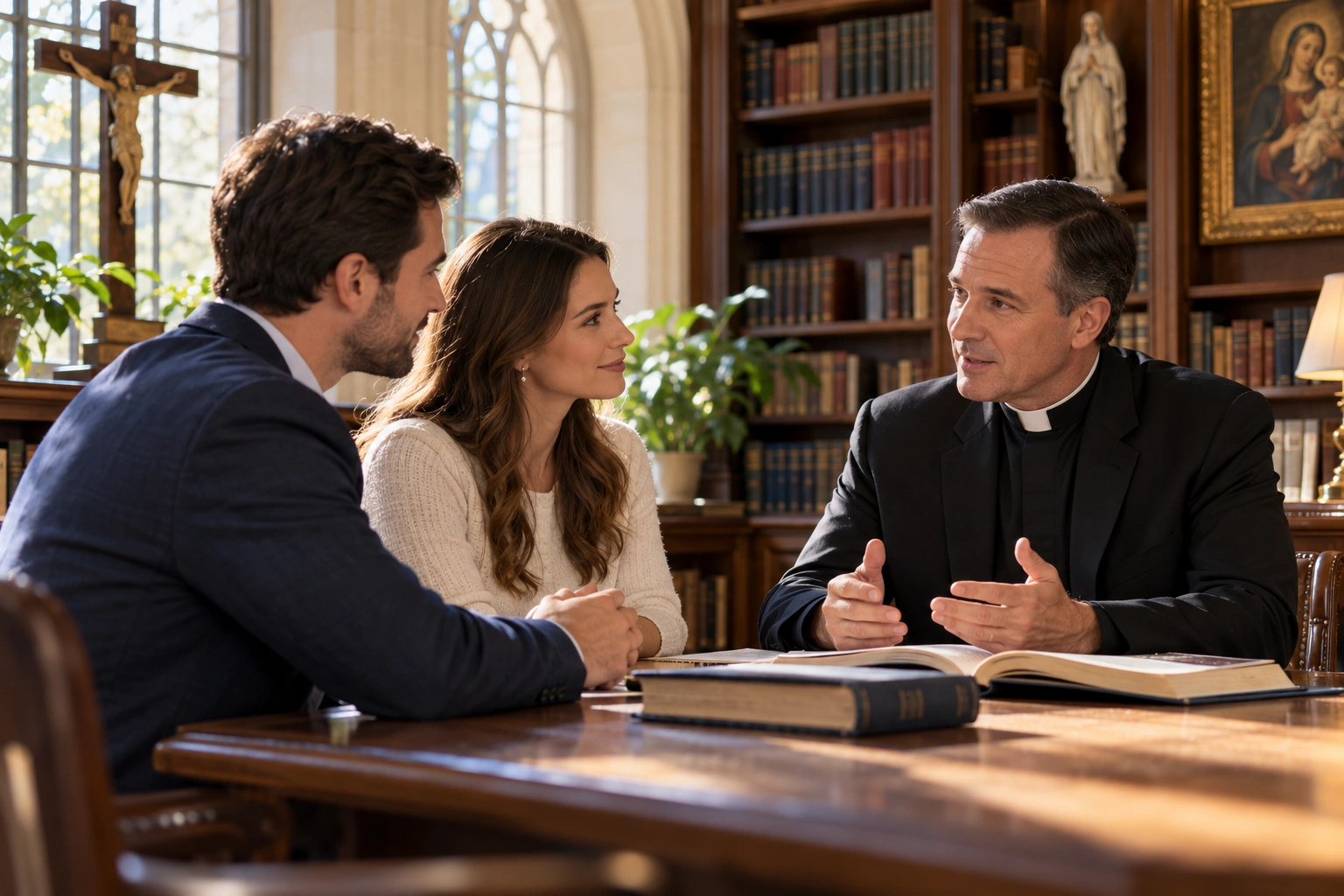
1. Marriage begins with a covenant A man and a woman freely give and accept one another through marital consent. Their promises establish enduring responsibilities.

I. Question Presented Why must counsel preserve trial error for appellate review, what consequences follow an omitted preservation step, and how should those duties be

When a court makes a decision affecting a family, meaningful review can depend on the work performed during trial. A substantial complaint may never receive

Preserving security when family arrangements change A child’s security depends in part on having responsible adults close enough to notice when something is wrong and

These eighteen talking points accompany Children Need Parents Who Can Protect Them. Read them alongside the article for its supporting discussion and sources. The focus

Question presented Can uncertainty in the operative terms of Texas Family Code § 6.001 impair statutory fair notice or the meaningful opportunity of a responding

Question presented How should Texas courts account for children’s existing security when a divorce proceeding reallocates parental powers exclusively, particularly where residence, psychological treatment, education,